The Connection Paradox: New Survey Research on Social Media, Video Games and Social Connection
This morning we released a new report on social media, video games and social connection based on data from a recent consumer survey of more than 3,100 US adults.
In The Connection Paradox, we report that people who use social media more and who play games more rate these platforms more highly for their benefits to their social connection than people who use them less, yet, paradoxically, greater use is associated with more loneliness.
Read More
Building H #91: Can AI solve loneliness?
For years after Alan Turning proposed what he called “the imitation game” in 1950, the so-called Turning Test stood as an formidable challenge for artificial intelligence. The test was defined in various ways over the decades, but the basic idea was perfectly simple: Could an artificial intelligence pass as a human in ordinary dialogue?
Read More
Building H #90: Billionaires Want to Build a City
Two weeks back, the New York Times had a stunning scoop: a bunch of Silicon Valley billionaires had bought 50,000 acres midway between San Francisco and Sacramento with the ambition of turning farmland and scrub into a dynamic new city of 100,000 or more.
Read More
Building H #89: Measuring the 'Product Environment'
Steve and our longtime collaborator (and member of our advisory group) Sara Singer have a new paper out in the American Journal of Health Promotion. In “The ‘Product Environment’ is an Important Driver of Health. It’s Time to Measure It,” Sara and Steve introduce the term “product environment” into the academic literature, defining it as the “the constellation of products and services with which people regularly interact.”
Read More
Building H #88: Why can't we build more houses?
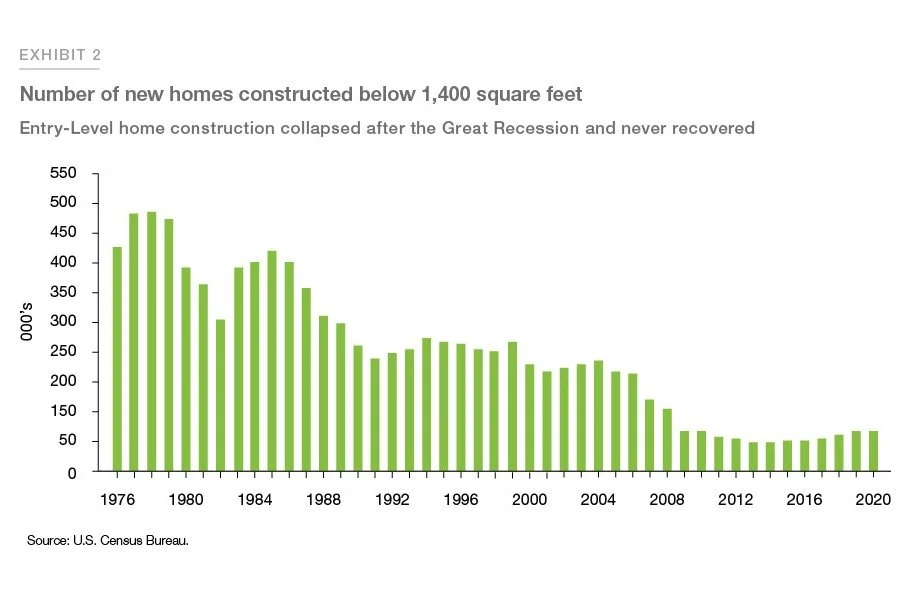
To live in urban America in 2023 is to bear witness, every day, to our collective failure to build enough houses for people to live in. Today’s housing shortage is a crisis 50 years in the making - a history that we won’t get into here - but it means that, nationwide, the US is behind by nearly 4 million houses, according to a 2021 Freddie Mac analysis.
Read More
Building H #87: Mindset Games
Back in April, our commentary focused on the Commercial Determinants of Health, a new way of understanding the roles that businesses in different industries play in influencing a population’s health. The commentary was triggered by a series of papers from The Lancet that lay out the conceptual frameworks for the idea. More recently, we were struck by a new commentary in JAMA that looks at the US health care industry through the lens of commercial determinants.
Read More
Building H #86: What Does It Take to Be Healthy?
We came across an interesting profile of renowned systems biologist Lee Hood in (perhaps aptly) Popular Mechanics. Hood – bless him – is trying to shift health care further upstream, to be proactive and preventive, rather than reactive and oriented around treatment. He believes that we will get there through measurement, data, screening, risk assessment and very intentional efforts to forestall and the diseases for which we are most at risk.
Read More
Building H #85: Signs of Progress
One of our core aims at Building H is to see more and more commercial products that make it easier for people to live healthy lives — to eat well, move physically, sleep longer and better, engage socially and spend time outdoors and in nature. We look closely at how new technologies tend to shape these behaviors (see our last edition, for example) and raise concerns when the tech and product trends push in the opposite direction… So we were excited to see a number of recent stories that point to commercial efforts aimed at facilitating these healthy behaviors.
Read More
New Grant to Support Collaboration on the Building H Index
We are delighted to announce that we have received our first grant! Funding from Einhorn Collaborative will support our work on the next iteration of the Building H Index, specifically to refine our approach to measuring how products and services influence the social engagement of their users and by doing so, either build greater social connection or create risks for increased social isolation and loneliness.
Read More
Building H #84: Brave New Face
It is a core belief of ours at Building H that major new technologies, over time, shape social norms and rewire our day-to-day behaviors, with often dramatic consequences to our health. So it’s no surprise that we followed with interest Apple’s unveiling this week of the Vision Pro, its new device/computing platform. How important is this?
Read More
Building H #83: Disease, Death, and Taxes
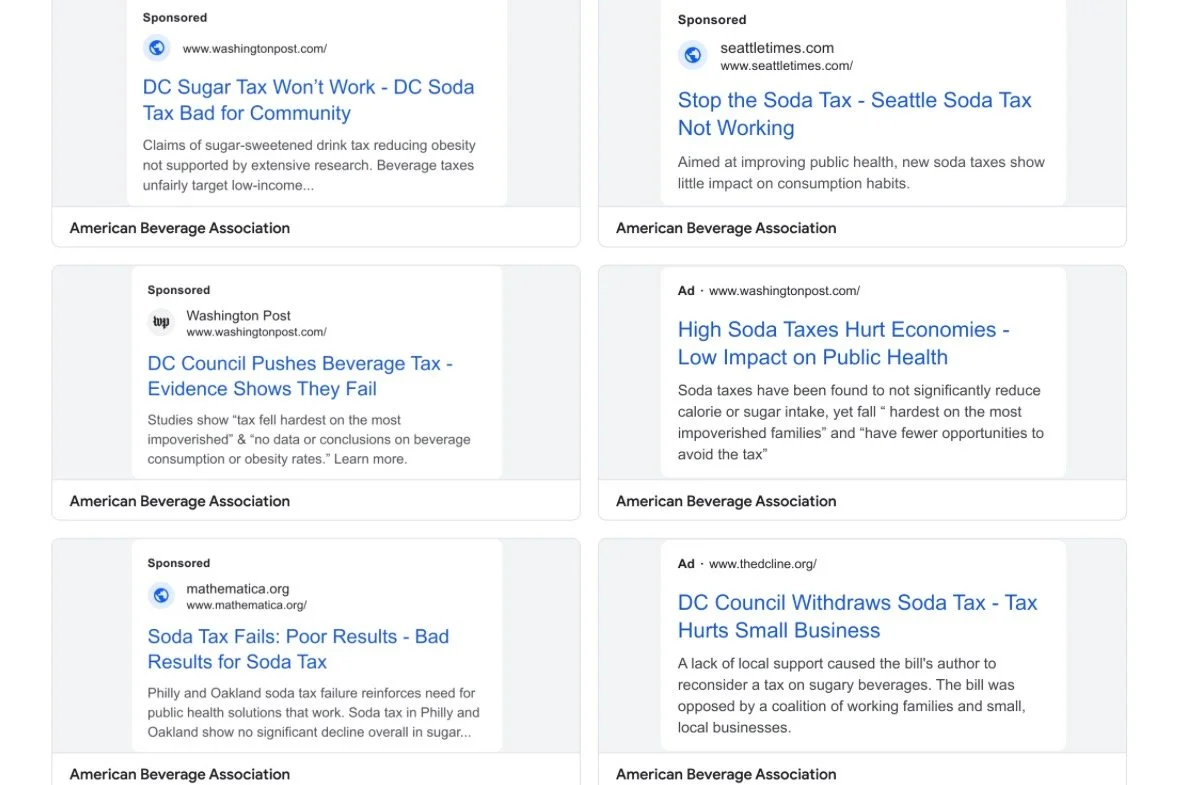
The American Beverage Association - a lobby group supported by soft-drink manufacturers including Coca-Cola, Pepsico, Monster, and most every other non-alcoholic beverage company you can think of - does not like soda taxes.
And if you happen to be googling to see if soda taxes work, they’re happy to suggest that they do not, with advertisements pushing links to stories that purport to prove that soda taxes don’t work.
Read More
Building H #82: Can't Make No Connection
Surgeon General Vivek Murthy has elevated the issue of social connection to a top public health priority. Research in recent years has demonstrated the strong role that social connection plays as a protective factor against many diseases, while, at the same time, surveys of Americans show an increasing trend of loneliness.
Read More
Building H #81: Where the Sidewalk Ends
Last weekend, in three separate incidents in New York City, three people, walking across the street, were struck and killed by cars. They are the latest victims in a horrific national trend of increasing road violence, dating back more than a decade.
Read More
Building H #80: Have you met the Commercial Determinants of Health?
Last September, the Food and Drug Administration, eying those high-sugar, low-fat snacks and cereals labeled “healthy” in big green type, proposed a new standard for using the word. Too much sugar or salt, and manufacturers would have to remove the word “healthy” from their labels, or reformulate their products to meet the new standards.
Read More
Building H #79: Limited Engagement
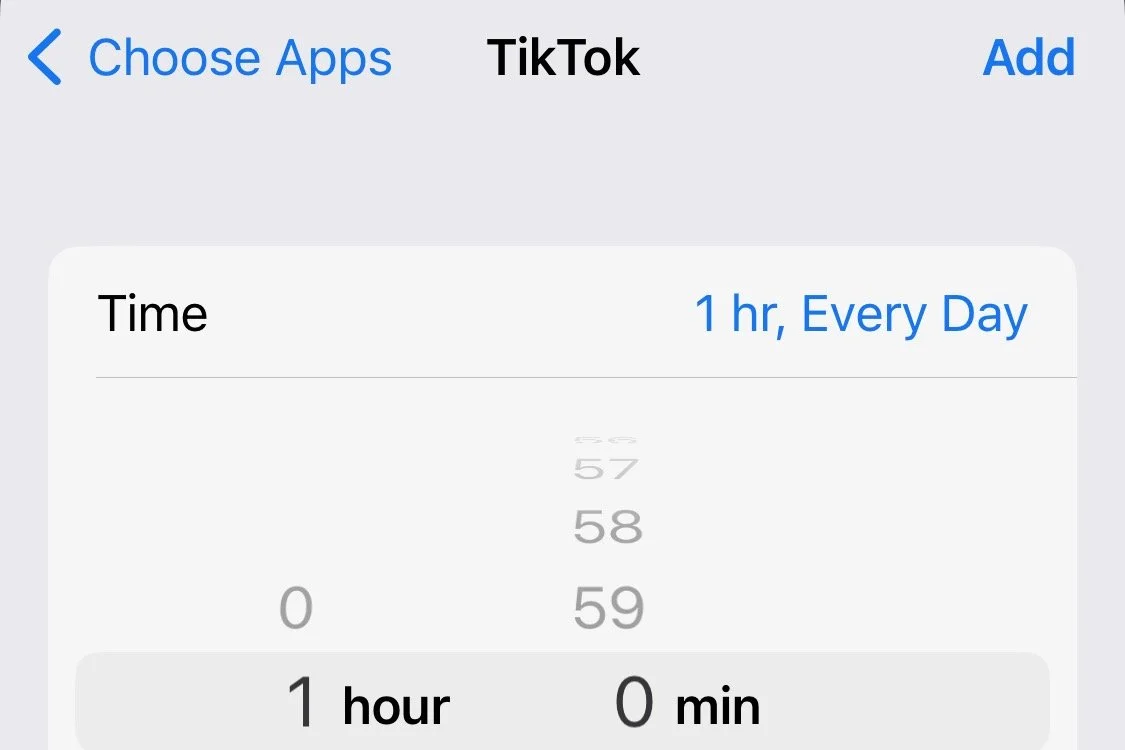
Under pressure as Congress debates various interventions, TikTok recently announced that it will limit teens to 60 minutes of use per day. As reported in The Verge, the limit can be overcome by entering a passcode (children under 13 will need a parental code), but, at a minimum, the requirement will add some friction to the user experience and, in theory, prompt some reflection about the urge to continue.
Read More
Building H #78: Announcing Our Advisors
We start this edition with some news about Building H. First, we are delighted to announce that we are being joined by a fantastic team of advisors, who will be supporting us with strategic advice as we grow our network, develop a set of key projects like the Building H Index, and take steps to become a sustainable organization. Our advisors are…
Read More
Building H #77: What Comes After WFH?
The well-known venture capitalist (and inventor of the browser) Marc Andreessen recently sounded the alarm about the social implications of the rise of remote work. While more and more people have gradually returned to their offices, the numbers are roughly half of what they were before the pandemic.
Read More
Building H #76: Ozempic Nation 2
The American Academy of Pediatrics issued new guidelines last month for the treatment of children with obesity. The guidelines are aggressive and represent a significant escalation from previous recommendations.
Read More
Building H #75: The Iron Is Hot
Back in the early days of the pandemic, Brittany Sigler connected with us on Twitter and became a key contributor to our first Building H Index report. She then took the question that motivates us – what would it take to make companies offer healthier products – and pursued it as the basis of her doctoral dissertation, with our longtime collaborator Sara Singer as one of her advisors.
Read More
Building H #74: Ozempic Nation
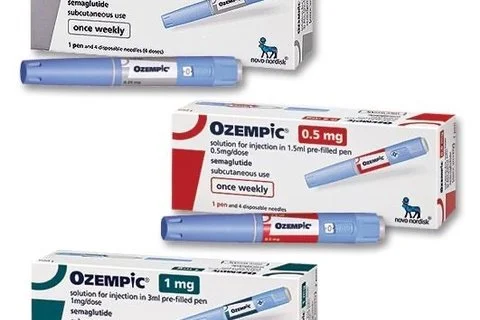
Back in May we covered the buzz about a new class of weight loss drugs that were showing great promise in clinical trials. Fast forward seven months and there’s a new buzz: demand for the diabetes drug Ozempic and the weight loss drug Wegovy (which is based on a higher dose of semaglutide, the active ingredient in Ozempic) is through the roof – leading to shortages.
Read More