
Newsletter | Do Nudges Even Work?
Oscar Bolton Green
Remember when we thought all it would take to fix society’s problems was a little nudge, here and there?
Want to boost recycling rates? Make the recycling bin bigger, and label the garbage one “LANDFILL.” Want to reduce obesity? Use smaller plates and put salads first in the buffet line. Want to reduce water usage and carbon emissions at hotels? Post social-norm signs that show 75% of people reuse their towels.
Nudge theory was so intoxicating that governments set up “nudge units” to push policies on taxes, organ donation, and sustainability.
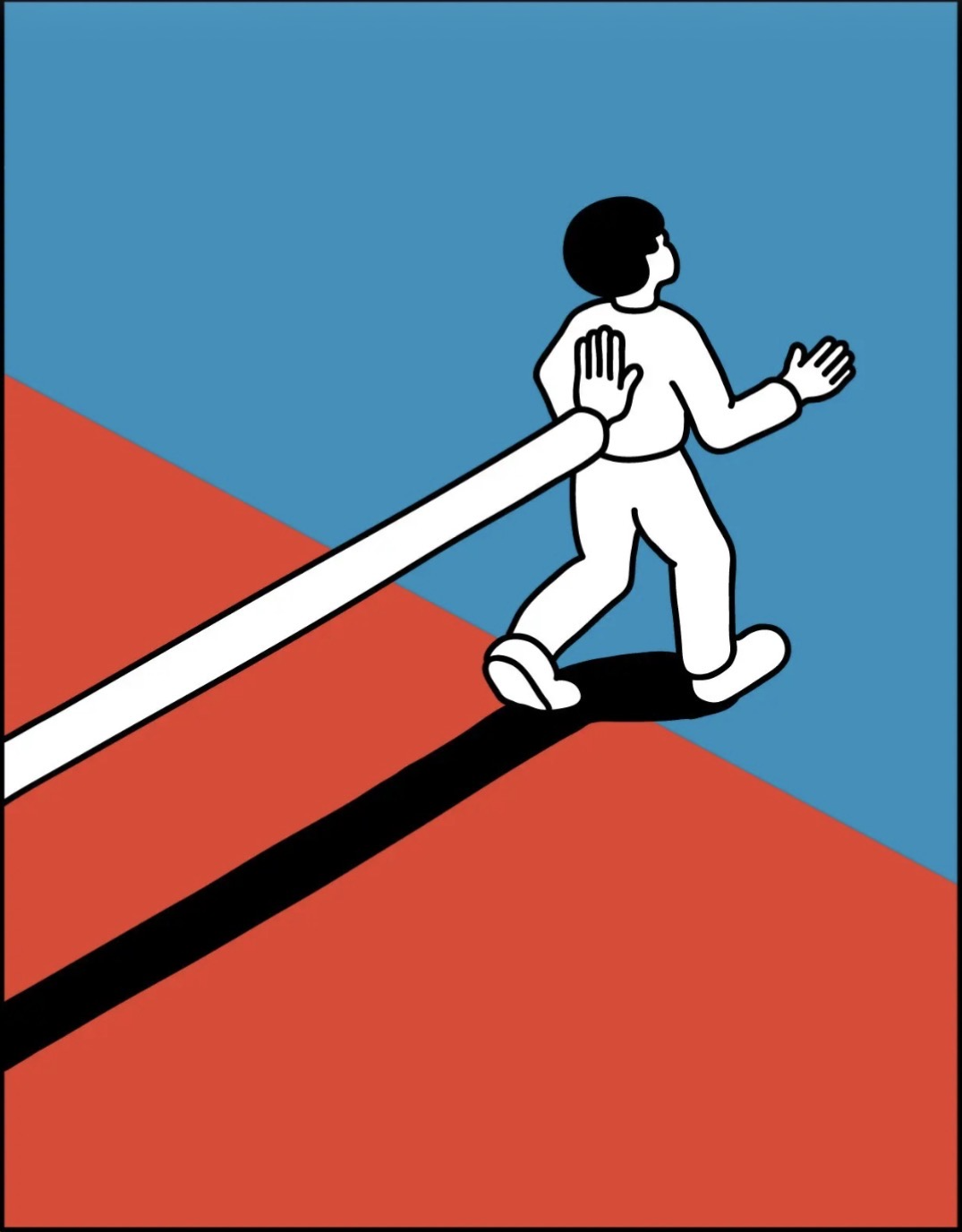
But nearly 20 years after Nudge by Richard Thaler and Cass Sunstein popularized the idea, nudges are getting some pushback. It seems that nudges don’t really solve our biggest problems. In fact, sometimes nudges distract us from tackling more system problems with more substantive solutions - and can even let the culprits off the hook entirely.
That’s the argument in a new book, It’s On You, co-written by one of nudge theory’s erstwhile champions, George Loewenstein, and Nick Chater. It’s a compelling reminder that big problems are rarely solved by simple solutions.
Making the blue bin bigger doesn’t change the massive reliance on plastic in today’s marketplace - and doesn’t change the fact that most plastics are not or cannot be truly recycled. Putting the salad first in the buffet line doesn’t reduce the bounty of cheap grain that fills the snacks on store shelves, snacks designed to be irresistible. And twice-used towels don’t meaningfully alter the math in the massively unsustainable hospitality industry, where a hotel consumes 30% more energy today than a decade ago.
Part of the problem with nudge theory is that it puts the onus of systemic problems onto individual consumer choices. Industry would have us believe that plastics and obesity and debt are problems that result from poor choices - from consumers. But they’re really not - these problems start with the producers. These are massive social problems with significant misaligned economics that encourage corporations to defend the status quo. And nudges avoid the hard choices and more ambitious reckoning that would require much more corporate compromise or government action.
In fact, as It’s On You reminds us, a lot of nudges were developed by the very corporations responsible for the problems. BP came up with the idea of carbon footprints, and recycling and “don’t litter” campaigns were originally concocted by the packaging industry. Companies love PR-friendly nudges because they keep real regulations that would require real compromises at bay.
And remember: Many of these industries bank on their own nudges, nudges that are so powerful and massive that they become invisible. Snack foods are nudging us to go ahead and treat ourselves (you deserve it!). Plush SUVs are nudging us to drive instead of walk, and interstate highways are nudging us to go ahead and buy that house in the suburbs, where you may not know your neighbors but everyone has their own bathroom (you deserve it!). We may not think of these as “nudges” in the way that behavioral economists define the term, but they are absolutely manipulating human behavior.
It’s worth remembering here that food companies love the idea of personal choice and personal responsibility. When obesity is a failure of willpower - and not the inevitable result of a manipulative food system - the food industry can avoid a reckoning with the harms that ultraprocessed foods have wrought in the US and worldwide. They are hoping that the idea sparked in San Francisco this past December - to sue food companies for the ill effects on its citizens - will not catch on. As the It’s On You authors observe, “For most deep and persistent social problems, individual behavior change is largely irrelevant. What we really need is major systemic reorganization.”
Indeed, putting it on individuals all but guarantees that only some people - generally the wealthy - will be able to leverage a nudge into sustained behavior change. A pedometer app might work for me, but poorer people tend not to benefit. And apps don’t change the fact that our roads are optimized for automobiles and downright deadly to pedestrians and bicycles.
You can see the same thing in the current vogue for longevity and healthspan. All the gains in human lifespan over the past decades are not the result of more medical care and trendy diets. It’s been the boring stuff of public health. All these celebrity doctors (and non-doctors) talking about individual programs and protocols may have their audiences - and those acolytes may see results. But it’s unlikely to do anything to manifest lifespan or healthspan improvements on a population level. In fact, the most recent gains in lifespan in the US result from fewer opioid overdoses. Hardly the kind of thing you can sell as a supplement.
It’s On You is a reminder that hard problems are hard for a reason. They don’t magically go away from simple solutions. Which is part of why nudges have been so tempting to policy makers in recent years. By focusing on “low hanging fruit,” the nudge brigade has avoided harder conversations and compromises. As they say, "Nudges to some degree got 'oversold'...but to an even greater extent they got 'overbought'” by governments eager for a quick fix - or rather a quick answer that looks like a fix.
Of course, those harder solutions are often swatted away as paternalism, the intervention of governments into the privacy and primacy of personal choices. Especially these days, it's much more in vogue to talk about “letting people make their own choices.” But that lets the true culprits off the hook - and means that we won’t actually fix these problems.
Which is why we found it interesting how It’s On You is pitched differently in the UK versus the US. In the UK, the book’s subtitle reads “How the Rich and Powerful Have Convinced Us that We're to Blame for Society's Deepest Problems.”
But in the US, the finger gets pointed in a different direction. Instead of blaming the “rich and powerful,” the book’s subtitle castigates “Corporations and Behavioral Scientists” for society’s deepest problems.
It’s a small but profound distinction. In the US, the rich and powerful are still exalted as winners; they hold the brass ring we all want. While “corporations and behavioral scientists,” well, those are the experts and the exploiters. A much better villain to American ears.
We haven’t seen a response from Richard Thaler yet, but Cass Sunstein recently published a sort-of defense of nudges in a new paper on paternalism, that positions the nudge crew (“libertarian paternalists” in their framing) as a happy middle between “coercive paternalists” and “antipaternalists.” It’s an interesting read, but frames the whole thing as an intellectual debate, rather than a policy crisis.
Read the full newsletter.